Political Risk Is Prime, Fizzling Out, and China’s Over-Inflation Problem

Here’s What You Need To Know

Last week, it was revealed that Amazon lobbied more federal entities than any other American public company in 2018. Given the significant resources brought to bear, its strong popularity among consumers, and the successful public relations-frenzy that drove 238 cities and regions to compete to win the company’s HQ2 throughout most of the year, companies looking to emulate best practices for strengthening their brand’s reputation and standing in the public arena, as well as achieve key business objectives, might look to follow Amazon’s playbook.

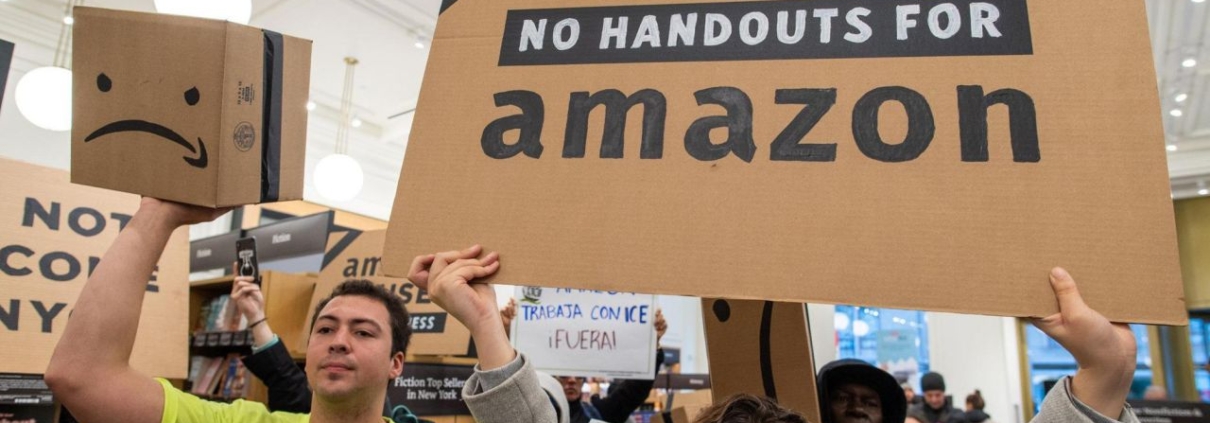
However, with the Seattle-based e-commerce giant’s decision not to move forward with its Long Island City headquarters in New York due to political pressure, perhaps the lesson for other companies and organizations is not what Amazon did or did not do, but that political risk has arrived as a prime factor in corporate affairs. Delve CEO Jeff Berkowitz recently shared his thoughts with Morning Consult on what New York’s HQ2 fiasco means for those seeking to avoid a similar fate. Here are some of his key takeaways:

  • Shoe-Leather Lobbying Is No Longer Enough: From healthcare to defense to labor regulation, Amazon contacted 40 different federal entities on 21 different general issue areas, spending $14.4 million to do so – second only behind Google parent company Alphabet’s $21 million. Despite a powerful influence machine in Washington and the support of a majority of New Yorkers, Amazon was criticized “day in and day out” by local politicians who refused to meet with the company and caused it to simply decide that the environment was not one it wanted to work in over the long term. Lobbyists walking the halls of power are no longer enough – instead, companies and other organizations requiring governmental and public support in order to achieve their objectives need new and better tools to combat public pressure driven by even a small minority of activists who can wield outsized influence in the public arena.
     
  • Evaluate Strategies Through A Lens Of Political Risk: With politicization infusing everything from sportswear to chicken sandwiches, a company or organization’s strategy for achieving its objective must be viewed through a cohesive lens of political risk. This means assessing the political risk relating to a business decision by identifying the range of stakeholders who may engage on the issue, understanding the network of influence and its impact, and leveraging these insights to inform a strategy to overcome challenges and achieve the objective as developments unfold. When done proactively and in advance of key decisions, assessing political risk can prevent wasted time, money, and reputational damage in a futile endeavor.
     
  • Leverage Opportunities By Having The Best Information: Assessing political risk as part of the due diligence process is not only about avoiding foreseeable public affairs challenges. It can also help identify and leverage opportunities. Analyzing the stakeholders and influencers surrounding a project, objective, or issue can become a force-multiplier for a company or organization, allowing it to focus on reaching out and engaging the constituencies that matter so that their message can be amplified with key decision-makers. Seizing such opportunities, and making the best decisions and identifying the best strategies, requires having the best information. In Amazon’s case, they could have identified political opponents in advance and mobilized the majority of New Yorkers who supported HQ2 in Queens to mitigate that opposition.
     
  • The New Normal Is Heightened Political Risk: Whether something is good politics or not is an increasingly important consideration for organizations traditionally removed from politics, be they companies, investment firms, or nonprofits. While it is not clear that the public nature of the HQ2 competition was in part responsible for the political risk it attracted, and which ultimately defeated the New York headquarters, political risk has arrived as a crucial factor that must now be taken into account by companies and organizations when making key decisions. In addition to influencing smoke-filled rooms, then, they must now engage too in the fog of the public arena.

Your company or organization doesn’t need to be in the throes of a highly-public competition to choose a new headquarters in order to be adapting to political risk. Applying a framework to evaluate key decisions through the lens of political risk before they are made, or even as added due diligence for those that are already in process, can increase the likelihood of anticipating, mitigating, and overcoming the public affairs challenges that are common in today’s operating environment.

News You Can Use

FIZZLING OUT

It appears not even divine intervention can save La Croix. National Beverage Corporation, the maker of sparkling water beverage La Croix, recently announced a 40 percent drop in profits last quarter following an October lawsuit that accused the company of mislabeling its products as “all-natural” and claiming the company’s waters contain a synthetic compound “often found in cockroach insecticide,” among other chemicals.

The company’s poor performance sparked an odd response from CEO Nick Caporella, who claimed the losses were not the result of “negligence nor mismanagement nor woeful acts of God,” but instead “injustice!” While National Beverage announced in January an accredited lab found no synthetic additives in La Croix, that hasn’t spared the beverage from becoming a laughing stock on social media. Caporella’s response is unlikely to shift that perspective. Indeed, he would do well to heed his own advice that “Brands do not see or hear, so they are at the mercy of their owners or care providers.”

His comments, as well as the company’s financial and legal issues, provide another example of how reputational risks carry real costs and a company’s response can make things better, or in this case, worse.

WEWORK IS WATCHING YOU

You may think WeWork’s $47 billion valuation stems from its ability to provide shared workspaces for startups across the country. However, over the past year, WeWork has aggressively tried to generate more revenue by collecting and analyzing information about how people move and operate within these shared offices. For example, WeWork recently acquired Teem, which makes software that collects data on conference room bookings, and Euclid, a service that tracks smartphones in retail spaces.

WeWork is also testing several types of sensors with its own employees in order to learn how the intended use of office spaces compare to how workers actually use them. It looks as though WeWork’s future may be in selling customer data, which could bring with it a whole host of regulatory headaches and reputational concerns, even with WeWork’s Chief Product Officer Shiva Rajaraman’s assurance that the company aims to “defend privacy as well.”

CHINA’S OVER-INFLATION PROBLEM

It turns out China’s economy may not be so big after all. A new report from the Brookings Institution found that China’s economy is about 12 percent smaller than official figures estimate and its real growth has been overstated by about two percentage points annually. The report has sparked fresh concerns that China’s economic slowdown is more serious than previously acknowledged as the U.S. and China continue to negotiate a trade deal.

With a growing population demanding more middle-class privileges, China’s economic challenges may add additional pressures on Chinese President Xi Jinping to make a deal when he meets with President Trump at a summit tentatively planned for late-April. Trust but verify, indeed.

SHADOWY “STUDENT”-LED MOVEMENTS

As students eagerly pass out catchy political flyers to their campus colleagues, it is easy to dismiss them as student-led movements passionate about a cause. Yet these “grassroots” organizations are often times sophisticated political operations with billionaire backers on both the left and right. One such group, NextGen Rising, masquerades as a youth-led grassroots organizing movement but is in reality a subsidiary of the NextGen Climate Action Committee, a political-action committee formed by billionaire anti-Trump critic Tom Steyer.

Rather than provide professional development programs, these groups tend to be far more interested in instilling political ideologies in young college students. Groups like NextGen Rising serve as a reminder of the importance of understanding an organization’s funders in order to know the true motive of a movement.

Like A 5G

Like a 5G, Renewable Ruin, and the Campaign Against Campaign Finance

Here’s What You Need To Know

With the latest confusion surrounding the Trump Administration’s policy on a nationwide 5G network, companies and industry groups got a taste of what will become increasingly common as 2020 approaches: trying to decipher policy cues from both The White House and the Trump reelection campaign when they seem to be indicating different positions on the same issues. For those trying to monitor and understand developments on 5G, such confusion only complicates the issue in the public arena and among stakeholders trying to influence it. So, in an effort to ground the 5G debate, here is what you need to know about the current landscape surrounding this issue:

  • What Is 5G, And What Is The Debate About It? 5G, which stands for fifth generation mobile, is simply the next version of the mobile network of communication. As one might expect, 5G will be more advanced than any of the previous mobile networks as it will offer faster speeds and more reliable connections on smartphones and other personal devices. 5G data speeds are expected to be one hundred times faster than 4G networks, and the transition to 5G is expected to be the biggest leap forward in mobile technology to date, particularly because it will enable the Internet of Things (IoT) to better connect devices, vehicles, buildings, and more to the network, transforming many aspects of everyday life. Due to its being such a crucial component of the future generation of technology infrastructure, 5G is the focus of a budding debate over what role the government should play in creating and expanding this technology, with arguments for and against government intervention seeping into the public conversation.
     
  • Who Supports Government Intervention And Why? With China aggressively coordinating and promoting 5G activity, some have argued that the U.S government should play a key role in developing an American 5G network. This messaging has also been used by those who may benefit from federal contracts to provide access to the 5G network, such as the private wireless company Rivada, whose investors include Trump ally Peter Thiel. Perhaps the most notable and influential – given his role as campaign manager for the President’s 2020 reelection effort – supporter of a government role in managing the creation of next generation 5G is Brad Parscale. He has long advocated on Twitter for a nationwide “wholesale” 5G wireless network, not only to compete with China’s build out of this new technology and to eliminate dead zones throughout the U.S., but from a practical, political standpoint: he believes a 5G network connecting rural Americans to high-speed internet would help the President directly speak to a key base of support and turn out the vote.
     
  • Who Opposes Government Intervention And Why? Policymakers who oppose government-led nationalization of 5G networks include White House economic advisor Larry Kudlow and every Federal Communications Commissioner, who believe that wireless companies should lead the buildout of 5G, as they have previous network generations before it. Verizon and AT&T have made huge business bets in building their own 5G networks, and are making the assumption that the current process for securing long-term spectrum leases at FCC auctions will continue. A nationalized wholesale network would mean that airwaves could be made available to users as needed, similar to the electricity market, and would challenge this model. As such, CTIA – a wireless industry trade group representing Sprint, AT&T, Samsung, Intel and others – has said they “completely agree with the administration, the FCC … and congressional leaders that free market American leadership in 5G is vital for our economy, private investment and future innovation.”
     
  • What Comes Next For Interests Engaged On This Issue? After the reversal, confusion, and subsequent walk-back on the part of the campaign and White House relating to 5G, those interests on both sides of the issue have clarified their messaging and sharpened the narratives they’ll be deploying when 5G policy matters again break into the news cycle. Competing with China, free markets and competition, and increased access to faster and more reliable networks, will all be presented to the public, media, and policymakers as key factors supporting one approach or the other. Consumer awareness of 5G continues to rise, and will continue to do so as long as it’s in the news and more networks get up and running, meaning that interests looking to influence public policy should identify, educate, and engage support that can amplify their efforts with key constituencies.

The time when 5G policy was under the radar, centered in Washington backrooms, and confined to memos is over. Time will tell if the 5G debate rises to net neutrality-level hysteria, but with coalitions of support forming and potential motivations for their advocacy being examined in the public arena, it has surely arrived.

News You Can Use

Intolerant Tech

A new study from the Lincoln Network appears poised to fan the flames of the so-called “techlash” against Silicon Valley. The liberty-focused technology advocacy group surveyed nearly 2,000 tech employees across the country to determine the state of viewpoint inclusion in the industry. The results? “This survey reveals that while employees at tech companies support viewpoint inclusion, they are also blind to their own intolerance,” according to Lincoln Network’s co-founder and executive director, Garrett Johnson. Nearly half of respondents said their employer promotes a political agenda, while 49 percent claimed this politicized environment affects their job performance.

For an industry that prizes both talent attraction and its freewheeling, innovative culture in equal measure, these results should be a wake-up call; after all, innovation and uniformity rarely mix. Perhaps more alarming: as more and more institutional actors rebel against the conventional optimism surrounding the tech industry, political actors may seize this chance to finally introduce the heavy hand of regulation to Silicon Valley.

Renewable Ruin

Texas’s green dream seems to be meeting reality. In 2016, Georgetown, Texas declared its intention to become the nation’s largest city to run its power grid with 100% renewable energy. Mayor Dale Ross boldly claimed, “Coal cannot compete with wind and solar on cost.” Two years and $30 million later, however, the city is in a bind: cheap oil and gas have dragged down energy prices across the country, forcing Georgetown to sell its surplus energy (drawn from more expensive wind and solar sources) for far less than forecast.

City officials are now frantically trying to renegotiate long-term contracts with local wind and solar providers to soften the fiscal blow, but as one resident said, “Why would [wind and solar companies] negotiate? You have the city over a barrel.” As talk of a Green New Deal roils Washington and Democrats enshrine climate change policy as a key issue for 2020, Georgetown’s example should remind both regulators and the regulated: no government plan survives first contact with the market.

Testing The Deregulatory Waters

Federal financial regulators may be preparing to relax filing restrictions again, a potential boon for successful startups looking to venture into public financing. In 2017, the SEC expanded to companies of all sizes a provision originally designed to allow “emerging growth companies” to confidentially file draft registration forms with the SEC. The easing of the size requirement allowed hugely successful startups like Pinterest, Uber, and Lyft to prepare for an IPO without the weeks of public scrutiny that traditionally accompanies such an event as the firm and regulators hash out details in the filing process.

Now, the Trump Administration is considering dropping a similar size limit on the so-called “testing the waters” provision, which allows emerging growth companies to consult institutional investors before going public. Needless to say, the move would substantially reduce the reputational risks of going public, allowing companies to secure reasonable assurance of the availability of public funding.

In addition to providing another data point for the deregulatory trend of the current administration, the SEC’s proposed rule change underscores the latent power of federal agencies over the market while broadening the public’s ability to invest in and reap rewards from these firms’ economic success.

The Campaign Against Campaign Finance

Congressional Democrats voted this week on their first introduced bill of the new Congress, the For The People Act (H.R. 1). The 571-page bill claims to be about strengthening democracy, but has drawn the ire of groups on both sides of the aisle, including even the ACLU, which warns the bill contains “provisions that unconstitutionally infringe the freedoms of speech and association.” The bill aims to gut the existing federal campaign finance system by, among other provisions, instituting a government-funded 600 percent match for “small donors,” reducing the Federal Election Commission from a bipartisan six-member body to a partisan five-member body, and forcing political groups to disclose the names of donors above $10,000.

This last “reform” presents a unique challenge to the rights of private citizens to freely associate themselves with political causes and could chill free speech. Under the proposed system, individuals and any affiliated organizations open themselves up to further reputational risk with every political contribution. One doesn’t have to look beyond the past decade to find examples of private citizens exercising their First Amendment rights by donating to their preferred political causes and candidates, and then being subsequently and unfairly attacked in the public arena by politicians for doing so. Rather than a high-minded moved to “drain the swamp” in the name of ethics, this bill appears more to be an effort to intimidate and defeat their political opponents.

Gearing Up for USMCA, Ai’s Risky Business, and Going Low

Here’s What You Need To Know

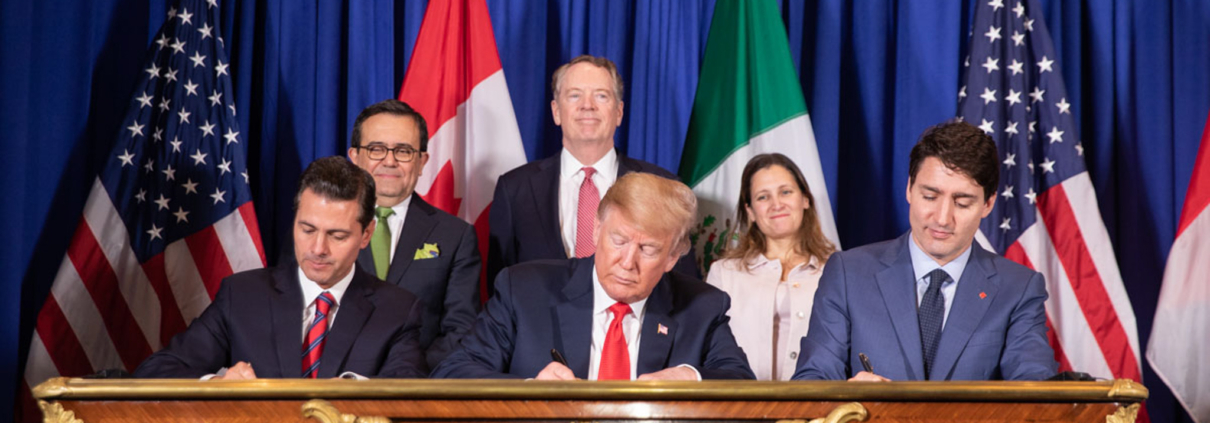
In an October edition of TL;DR, we wrote about the “other machinations in Washington” that overshadowed the announcement of the United States-Mexico-Canada Agreement, or USMCA, which was negotiated to replace NAFTA. Since then, the agreement has stayed somewhat under the radar and in fact, the Administration has already moved its focus to trade negotiations with China, meaning that ratifying USMCA is no sure thing. With outside groups gearing up for what will be a major public policy fight, here is a look at the landscape of interests engaging on this issue and the challenges they are facing:

  • But First, How Did We Get Here? Formal negotiations between the North American neighbors ended and an agreement was signed on November 30th, marking the start of the governments’ efforts to sell the deal to their domestic audiences and gain ratification from their respective legislatures. In the U.S., that process was complicated first by the midterm elections where the President’s party lost its majority in the House, and then by the longest government shutdown in U.S. history that delayed the publication of the agreement’s congressional assessment report, the next step of the ratification process. Despite these realities, the Administration appears to have a “shockingly optimistic forecast” on the fate of the deal, and although Speaker Pelosi shares this optimism that concerns can be addressed and an agreement passed, the reality of the challenge ahead suggests that companies, industry groups, and issue coalitions will need to vigorously engage in the debate to influence ratification in Congress, which is increasingly uncertain.
     
  • The Reluctant Democrats: For Speaker Pelosi’s optimism for ratification to be well-founded, USMCA will have to gain the support of pro-trade members in her caucus. Several efforts to lobby these members are already taking form, including Trade Works for America, which was launched by influential Republicans to make their case to Democrats in traditional Republican and Trump districts, has already raised a third of its approximately $15-$20 million budget. Another group, Pass USMCA, is headed by Democrat Gary Locke, who served as Ambassador to China and Commerce Secretary under President Obama, and Rick Dearborn, who most recently served as Deputy Chief of Staff for President Trump. In bringing bipartisanship to bear in its efforts to push ratification, Pass USMCA is betting that Democrats and Republicans in Congress can be brought together in polarized Washington to ratify President Trump’s trade deal – despite Democrats’ seemingly increasing reluctance to do so.
     
  • The NAFTA Warriors: Much of the declared opposition in Congress to USMCA is due to it being “too similar to NAFTA,” and this opposition includes some of the usual groups against trade deals who hold sway and influence with the Left’s liberal base. Environmental activists from Greenpeace to the Sierra Club have slammed USMCA for leaving intact “NAFTA’s bad rule book and the growth of the oil industry,” and Public Citizen and its Global Trade Watch has raised concerns over both environmental standards and labor standards that U.S. firms can use “to continue to outsource jobs to pay Mexican workers poverty wages.” For reluctant Democrats, the pressures from these groups make it politically difficult for them to support a deal that’s viewed as “more of the same,” not to mention the product of a President they are committed to resisting.
     
  • The Strange Bedfellows: The opposition to USMCA in its current form is not just made up of usual activists, however – it also includes large corporate interests and conservative think tanks. Meds For America’s opposition is focused on pharmaceutical patents and the development of generic drugs. In a letter raising its concerns to the U.S. Trade Representative, Meds For America’s broad coalition of strange ideological bedfellows was on full display. Signatories included labor unions such as the SEIU, AFL-CIO, and American Federation of Teachers; powerful interest groups like AARP; major health care company Kaiser Permanente; and, conservative organizations such as FreedomWorks and R Street Institute. The presence of these organizations that usually influence Republican policy and pressure Republican lawmakers makes it more difficult for those on the Right, especially policymakers who opposed Trade Promotion Authority, to stand up for USMCA.

For those trying to achieve passage of USMCA in Congress, time is already short. Any further delays in the ratification process would make it more and more difficult for the USMCA to take effect, especially with Canadian federal elections later this year and the U.S. presidential election in full swing by then. And although NAFTA would remain in effect currently if the USMCA is not ratified, President Trump is adding additional uncertainty to this scenario by threatening to terminate NAFTA to pressure Congress to ratify USMCA – which a top Republican senator believes would make doing so “immeasurably harder.”

Those pushing ratification will need to thread a needle to navigate the challenges laid out above and build a broad, like-minded coalition that can get this deal done. To do so, they will need to pull back the layers and uncover insights into this network of opposition, including its funding, motivations, tactics, and coordination, so that they can identify potential allies – no matter how unlikely – and expose and undermine their opponents’ anti-USMCA message in the public and with policymakers.

News You Can Use

AI’S RISKY BUSINESS

As everyone from the Pope to President Trump seem to be going all-in on artificial intelligence (AI), two companies that should be its most ardent supporters are sending out warnings about this growth. In recent SEC filings, Google and Microsoft cautioned investors that AI technologies may create ethical and legal problems that could damage their brands and the demand for their products.

Microsoft’s list of potential problems includes flawed algorithms, insufficient datasets, biased information, and inappropriate or controversial data. Microsoft and Google appear to be asking for policymakers to create a regulatory framework to help make sense of this uncharted territory. The filings should also serve as a wakeup call to policymakers from companies, investors, and stakeholders, who can make headway on this issue now while the industry continues to grow – and before the challenges foreshadowed come to fruition.

GOING LOW

Roll Call analysis found that Democratic senate candidates in 2018 who published more negative tweets were more likely to be victorious in their races, while Republican candidates were less likely to win when doing so. If this success is any hint as to the future, Republican candidates on the ballot in the 2020 election cycle can expect more of the same with withering tweets attacking them.

Additionally, because many media outlets tend to reinforce Democratic attacks while pushing back on or ignoring Republican attacks, Republican candidates will have to get started earlier with uncovering the research insights that can help their campaigns win, anticipate the inevitable negative attacks, and ensure their claims are thoroughly supported by undeniable facts that can withstand the intense, and sometimes biased, media scrutiny.

GREEN NEW DEAL WITH IT

Is the Green New Deal (GND) “immoral” and “unrealistic?” Even among Democrats, it depends on who you ask. When self-identified Democratic Socialist Representative Alexandria Ocasio-Cortez (NY)  posted details of the GND plan to her website, it called for the elimination of all fossil fuel energy production and nuclear power, the replacement of every “combustion-engine vehicle” within 10 years, and “retrofit[ting] every building in America” with “state of the art energy efficiency.”

The reception for the outlandish plan, which triggered backlash, resulted in a bungled rollout and the removal of the plan online, followed by arguments with critics in the media about whether the document was legitimate or not in the first place (spoiler: it was). If the press is going to automatically support the GND instead of ask critical questions about it, Republican policymakers and the companies and organizations concerned by its economic and policy implications may be underestimating the degree of difficulty in putting out the truth about the harmful and costly policies it promotes.

THE PEOPLE VS. TWITTER

With journalists rushing to tweet their latest scoops and the world’s eyes constantly on President Trump’s Twitter account, it is easy to think of the social media platform as a representative sampling of the public discussion. But what if Twitter’s impact is overblown or misleading? Twitter revealed in its fourth-quarter earnings report that the company has an average of 27 million daily active users in the United States, or 8.2% of the total population (assuming that each account is controlled by a different person, which is unlikely).

This data suggests that despite the site’s power to drive media narratives and news cycles, the “Twitterverse” is not an accurate representation of the public conversation. As more and more news stories are generated by the outrage, hashtags, and hot takes on Twitter, a misleading and dangerous trend is taking form where the 280-character antics in the “Twitterverse” are taking the place of actual fact-based information and broad public sentiments.

Not All Research Is Created Equal, Free Shipping Under Attack, and Deepfake Drama

Here’s What You Need To Know

Last Friday, a page from Virginia Governor Ralph Northam’s 1984 medical school yearbook was published, which showed a disturbing photo of a man wearing blackface and another wearing a Klan outfit. The Old Dominion state was plunged into political chaos (which has only sunk deeper), and political implications aside, this revelation is gut-wrenching. It is gut-wrenching someone a mere 35 years ago would think such grotesque behavior is acceptable and has any place in our society, let alone in one’s medical school yearbook. This week also brought us another offensive race-related revelation from the past – that Sen. Elizabeth Warren had falsely listed herself as an “American Indian” with the Texas Bar, for which she has now apologized.

On a professional level, both of these revelations had many political observers scratching their heads as to how these publicly available records had eluded opposition researchers during hard-fought campaigns in which they could have changed the outcome. To the team here at Delve, this question is gut-wrenching because these are the types of truths that Delve is in the business of exposing. We work to illuminate the truth as best as it can be found and to uncover the insights that make a difference for our clients – whether in the political, policy, or business environments.

So how did these revelations go unseen for so long? Not all research efforts are created equal. That is why it’s important to obtain the most valuable research for your investment, and why Delve has built a model to ensure we uncover all of the insights that matter for our clients and help them achieve their objectives:

  1. It Starts With Our People: We don’t hire just anyone to be an analyst. The first component that differentiates us from other research firms is the skilled team of analysts that we build in-house to employ competitive intelligence through the lens of public affairs challenges. Our analysts go through a rigorous and unique three-month associate training program and then participate in weekly training sessions to build analytical skills, review best practices, develop new procedures, and learn innovative techniques. This allows our talented analysts to know how best to dig deep to find mountains of publicly available information and then cull, analyze, and distill those records into key insights, trends, developments, and networks to “connect the dots” and highlight the most important and actionable information for our clients. We even deploy on-the-ground to conduct in-depth field research, digging deeper in our efforts to serve our clients.
     
  2. A Thorough Process Means A Better Research Product: Research books can be long, burdensome, and unwieldy. Not only is such research difficult to read, digest, and use, but the quality can be lacking, with basic information incorrect or missing. To deliver a better research product, Delve’s reports go through a rigorous multi-step review and quality control process to verify findings, and notably, to hone a fact-based, compelling, and narrative-driven format. The results for our clients are actionable and user-friendly reports that are constructed to ensure that they know how to leverage the information advantage provided by the research to achieve their objectives.
     
  3. Harnessing Technology To Bring Research Into The 21st Century: In addition to our people and processes, we utilize sophisticated commercial and proprietary technology and platforms in our work. We go beyond traditional media monitoring, basic internet searches, and keyword alerts, and when paired with our technology, our analysts are more efficient and effective at uncovering all of the insights that matter to our clients.

Whether a campaign, company, or cause organization, research is a critical piece of achieving your objectives. Therefore, being able to choose a research provider that delivers the most value for your organization’s budget is paramount, because neglecting to do so is like choosing “hope” for a strategy. 

News You Can Use

THE COLLEGE TRY IS NOT ENOUGH

The more you know: as part of their admissions processes, some colleges have started tracking prospective students’ online interactions with the schools. The data being factored includes how long students spent reading admissions emails, whether they clicked on any links, and at what point in high school they started looking at the college’s website. Students are then given a score that reflects their “demonstrated interest” in attending the college to aid admissions officers.

Privacy advocates have accused colleges of taking privacy rights for granted and “surveilling” students, while some have suggested that such tactics only add “anxiety” because students may not know whether or not their activities are being tracked. Whatever one’s viewpoint, this development is yet another way vetting is becoming a prominent tool for public and private organizations making people-related decisions.

FREE SHIPPING UNDER ATTACK

First they came for the plastic bags, then plastic straws, now, with the relentless expansion of e-commerce, free shipping and returns may be the next target for environmentalist do-gooders. While many companies have built free shipping into the cost of products, as consumers expect to be able to return products easily, Belgian organization Fashion Revolution is trying to bring attention to the environmental costs of “free shipping and returns.”

The organization created a new video that showed women trying on clothes on highways, surrounded by trucks and traffic, as a way to illustrate the environmental impact of shipping. Lesson learned: not even free shipping is safe from activist pressure. Companies that rely on shipping their goods to customers must be aware that they may come under attack at any moment and must be ready to respond – because free shipping isn’t free from scrutiny.

DEEPFAKE DRAMA

Digitally forged videos that can be impossible to detect, AKA deepfakes, are all the buzz today. Many people have worried deepfakes could signal the “end of truth” and pose a threat to democracy. Yet some civil liberties advocates have raised concerns that banning deepfakes may threaten protected speech, such as creating parody videos.

Tech companies are also facing exposure, as social media giants may be blamed if the fake videos are spread on their platforms, and lawmakers at both the federal and statelevels are already looking at legislation to criminalize the creation and distribution of deepfakes. With public attention increasing and the legislative process gearing up to plant the first marker in the impending public policy framework, the deepfake drama seems to only be beginning.

TO CATCH A PREDATOR’S DNA

Private genetic testing company Family Tree DNA has teamed up with the Federal Bureau of Investigation (FBI) to help solve violent crime cases. The FBI’s work with Family Tree DNA marks the first time a private firm has agreed voluntarily to allow law enforcement access to its genealogy database. While the FBI would need a subpoena or search warrant to access any data beyond what is available on the public database, the partnership is likely to raise privacy concerns and potential court challenges.

Earlier this year, Family Tree DNA was ranked by U.S. News & World Report as the best DNA kit for “research and strict privacy,” but this new decision may have an impact on that ranking. In the meantime, it could increase calls for regulation of DNA testing companies, although a recent survey found that 85% of respondents were comfortable with law enforcement using their DNA profiles to catch a serial killer or rapist. It appears, at least for now, the general public may be willing to sacrifice their privacy if it means they can play the hero.

Are You Ready For Your Viral Moment, The Referendum Confusion, And Punting On Politics

Here’s What You Need To Know

Instead of a reflective and relaxing weekend celebrating the legacy of Dr. Martin Luther King, Jr., many Americans found themselves wading into the debate surrounding the interaction between red MAGA-hat wearing high school students and a Native American elder just steps from where Dr. King gave his famous “I Have A Dream” speech in front of the Lincoln Memorial 90 years ago. The resulting mayhem has become the norm in today’s age of heightened political and reputational risk, where a viral moment on social media spurs a viral narrative that devolves into outrage, accusations, clarifications, and threats – with little or no regard for the truth, and before all of the facts are clear.

This episode presents an opportunity for companies and cause organizations to evaluate (or reevaluate) their preparations to defend against the repercussions of an inevitable viral moment targeting them, because once a story is out in the public arena, the costs of managing and mitigating the reputational fallout only increase. Here is how your organization can prepare for its viral moment:

  • Understand The Range of Interests And Stakeholders In Your Operating Landscape: Heightened political and reputational risk means that companies and cause organizations need to think through potential challenges they face, as well as where such challenges could originate from. Understanding the range of interests and stakeholders in one’s operating landscape, including their concerns, motivations, and tactics, can provide insight into where opponents and activists may engage an organization on an issue in the public arena, thereby providing space to address any concerns before they lead to public actions like protests and boycotts. It can also help an organization avoid making decisions that undermine its support among core constituencies, particularly at a time when consumers want to support organizations that align with their beliefs. In addition, because viral moments may come from unpredictable and unforeseen events, an understanding of your organization’s network of interests and stakeholders can help solidify support among different partners, build broad coalitions, and shift the public debate into a stronger position during a public affairs challenge, helping mitigate negative consequences that may otherwise stem from it.
     
  • Know Your Vulnerabilities, And How To Compensate For Them: Once reserved for political candidates running for office, vetting vulnerabilities has become an important tool for organizations to evaluate individuals, from major league baseball to the corporate boardroom. It is also a critical tool to evaluate an organization itself, allowing it to assess flaws, vulnerabilities, and negative coverage it may be susceptible to in the public arena, that competitors, activists, and other opponents may use against it to ignite a viral moment. Knowing your company or cause organization’s vulnerabilities, and proactively preparing the full set of facts to respond to those who may obfuscate the truth or only present a part of the story that your opponents want to feature, helps ensure you can control as much as possible in a fast-moving and challenging situation.
     
  • Tell Your Story, Before You’re In A Fight: Once an organization understands the network engaged on its issues and its vulnerabilities, it can build a proactive public affairs strategy to tell its story. Sharing a compelling narrative about your organization, supported by the facts and insights that you want to share, defines your organization’s brand and can build goodwill in the public arena. When a viral moment occurs, these efforts can mean a company receiving the benefit of the doubt in a crisis from a public familiar with its story, making it more difficult for that viral moment to lead to lasting reputational damage.
     
  • Have A Plan: While even the best-laid plans go out the window once a crisis begins, having a plan to mitigate heightened risk remains key to minimizing the impacts of a viral moment. The above components are all parts of a successful public affairs strategy, and with the addition of a monitoring regimen that helps an organization keep apprised of key developments, changes in the state of play, and better see around the corner to anticipate and respond to events as they occur, these facets of reputational management are the hallmarks of protecting your interests and achieving your objectives in an age of viral moments – especially so when the media landscape amplifies and further obscures such moments in real time.

The incident on the steps of the Lincoln Memorial is simply the latest in a quickening pace of viral moments that companies and cause organizations will inevitably find themselves the targets of. Preparing now – before events transpire that are outside of your control –  improves the likelihood that your organization can weather the challenge when it happens with a sound, substantive strategy to protect itself in the public arena, because when the stakes are the highest, facts matter more than hot takes.

News You Can Use

AN UNLIKE(LY) REQUEST

If there’s one thing social media needs more of, it’s politics; at least Facebook seems to think so. The company just launched a new feature enabling users to create political petitions, share them among friends, and notify a government agency for action.

As TechCrunch points out, not only will these Community Actions allow individual users to sow polarization with outlandish or offensive causes, but they also “provide vocal interest groups a bully pulpit from which to pressure politicians and bureaucrats with their fringe agendas.” Essentially, Facebook has supercharged the political side of Change.org.

Today’s anti-corporate activists are professional and well-organized. Giving them the leverage of the world’s largest social media outlet is unlikely to leave Facebook and other tech companies unscathed and may even hasten this outcome by providing an avenue for increased anti-tech activism. Any business exposed to regulatory or reputational risk should keep an eye on this new feature and any copycats it may inspire in Facebook’s competitors, including (God help us) Twitter.

THE REFERENDUM CONFUSION

The lessons of the November 2018 midterm elections might appear obvious at first glance: red states kicked out blue Senators, swing districts swung to the Democrats and delivered the House, the polarization of the American electorate continued apace. Yet, behind the headlines and under the radar, a subtler trend unfolded: liberal voters directly enacted conservative policies and vice versa.

Through the use of ballot measures, advocacy groups took their proposals straight to the people, unencumbered by party loyalties or candidate weaknesses. As conservative voters in Missouri were unseating Democratic Sen. Claire McCaskill, they were also approving legalized marijuana and raising the minimum wage. Jay Inslee, Democratic governor of Washington, saw his dream of the nation’s first carbon tax crushed by a 13-point margin.

While voters tend to use partisan and personal affiliations to choose between candidates, policy questions are apparently judged by different criteria. The trend presents both opportunities and challenges for businesses hoping to anticipate the policy and political environment in which they must engage, requiring a concerted effort to dig deeper to better understand the spectrum of interests and stakeholders engaged on the issues important to them.

A MATTER OF TRUSTS 

Antitrust policy took center stage at the confirmation hearings of Attorney General nominee Bill Barr, specifically in relation to Big Tech. Several senators spent long stretches of their allotted time asking Barr, who fought the Justice Department’s attempt to block the merger of AT&T and Time Warner in 2018, about the potential for government action against the giants of Silicon Valley. Jeff Sessions, conversely, was asked only twice about antitrust matters during his Attorney General confirmation hearings in 2017.

Lawmakers’ sudden interest in the issue as it applies to tech companies seems ominous, especially in light of growing popular distrust of the industry. For his part, Barr said, “I don’t think big is necessarily bad, but I think a lot of people wonder how such huge behemoths that now exist in Silicon Valley have taken shape under the nose of the antitrust enforcers.” If confirmed, the incoming Attorney General’s handling of this waxing political issue could set the tone for his tenure and have serious regulatory ramifications across all industries.

PUNTING ON POLITICS

The Super Bowl’s cultural appeal rests only partially on football these days. Excepting New England fans, most Americans usually don’t get to support their home team in the NFL’s climactic finale and prefer to tune in for the drama of it all or the halftime show or, famously, the commercials. Now a new Morning Consult poll is putting advertisers on notice: political messages are out of bounds.

Nearly two-thirds of respondents, including 55 percent of all millennials polled, disapproved of using Super Bowl advertisements to make political statements. Morning Consult CEO Michael Ramlet noted, “The biggest disconnect between the general public and agencies and companies is this idea that you have to take stands to win Gen Z or millennials. That’s not what the data shows” most viewers of any age want during the Super Bowl.

Of course, viewers are unlikely to skip the game over a few political commercials and it is still expected to draw television’s biggest crowd. This new data should at least give Madison Avenue pause; while there may be no such thing as bad publicity, woke advertising brings just as many reputational risks as rewards. 

Be Careful What Unicorn Wish For

Be Careful What Unicorn Wish For, Cheezy Lawsuits, and Bursting the Bubble

Here’s What You Need To Know

The new year has begun, and some of the most valuable private tech companies – including Uber, Lyft, Airbnb, Slack, and other so-called “unicorns” valued at more than $1 billion – are preparing for their initial public offerings (IPOs) in the early part of 2019. Thirty-eight tech and internet companies, the most since the dot-com boom in 2000, took the plunge to go public last year and more are expected to test the market this year, despite the recent market downturn and the overall trend of fewer companies doing so.

These headwinds mean unicorns should be careful about going public, as other sectors appear to have weighed the added political and reputational challenges and decided against it, and 2019 comes with the expectation that the tech industry’s public affairs challenges will begin to have an impact on their bottom line. Here’s what you need to know about minimizing and mitigating these risks as we await this year’s big, newsworthy IPOs:

  1. How Did We Get Here? A strong stock market and cheap capital have allowed private tech companies to incubate and scale in a favorable climate, resulting in their ability to grow into large and valuable unicorns. Investors were patient with these companies as long as the economy continued to expand and interest rates stayed low, which is why some unicorns were putting off their IPOs, even as far out as 2020, hoping to continue growing, gaining value, and avoiding the scrutiny from shareholders, the press, and governments that comes with being a public company.
     
  2. Greater Scrutiny On Executives And Business Practices: Public companies are obligated to publicly disclose lengthy filings that detail their financials and operations, which can garner the attention of the media, analysts, and activist investors (of both the short-selling and political kind). Avoiding this additional scrutiny can be particularly beneficial for disruptive companies challenging the regulatory environment in areas where they operate, as insights into their tactics and business practices could be used against them in the public policy arena by legacy competitors and other opponents, making it all the more important to understand any vulnerabilities before going public.Also, executives of public companies have to answer to a greater number of shareholders and investors, which could lead to additional scrutiny of their professional and personal lives, with anything hinting of impropriety potentially being used as leverage against them and the company.
     
  3. Becoming A Target For Activism: Once public, companies must contend with an increased risk of activism in which current or potential shareholders and investors seek to influence the company’s operations. This could take the form of institutional investors sending governance-related proposals to companies recommending changes in management and compensation, a trend that has grown an average of 11% over the past four years. Additionally, such proposals could be the result of policy-related activism, in which companies are pressured to adopt measures on topics unrelated to their core business and often part of a politically-motivated agenda. Although such proposals have been found to increase a company’s costs and diminish shareholders’ returns, navigating the inevitable attention from such activism requires a strong understanding of a company’s values and business purpose. This can help ensure they align with business decisions, and that unrelated special interest agendas are opposed. Indeed, sometimes the shareholders pushing such agendas own just a few shares expressly for the purpose of pressuring the company on policy matters, or come from institutional investors being pressured by political interests.
     
  4. Time, Money, And Reputation: Taking a private company, let alone a unicorn, public is an expensive and time-intensive endeavor with high-stakes for the company’s reputation and bottom line, and even more so when activist shareholders are waiting to pressure companies. Current corporate governance rules have made it difficult to separate legitimate shareholder concerns about a company’s management and strategy from politically-motivated pressures, not to mention this lack of distinction heightens corporate risk. Both of these factors deter companies from going public – which in turn negatively impacts main street investors as well. While the Securities and Exchange Commission is expected to focus on corporate governance this year, investor pressure on public companies is likely to increase, as well as those pushing environmental, social and governance (ESG) practices that can put political and sustainability goals above business purpose and value, raising the costs of going public in the near-term.

Rather than the “orderly queue” of IPOs predicted in 2019 and 2020, the early part of 2019 may more resemble a stampede – unless, of course, the government remains shutdownand the SEC is not working on new filings. Yet, these unicorns may regret going public if they do not have a thorough understanding of their political and reputational vulnerabilities and the wide range of stakeholders who can influence perceptions about their company’s practices. Such an understanding is vital to ensure the company does not cede the public narrative to others who could damage their reputation – and worse, drive down the company’s value.

News You Can Use

CHEEZY LAWSUITS 

Move over McDonald’s and its hot coffee case, Cheez-Its is going to court. Three women are suing Kellogg’s, the manufacturer of the orange snacks, claiming the company uses “false and misleading marketing” by labeling its crackers as “Made With Whole Grain,” which could trick consumers into thinking they are made with 100% whole grains when they are not.

In early December, the U.S. Court of Appeals for the Second Circuit appeared to agree, ruling that a reasonable consumer could think Cheez-It Whole Grain crackers were made with “predominantly whole grain,” thereby putting the company one step closer to legal discovery and a potential jury trial (!) about the contents of one of America’s most-beloved snacks. The suit demonstrates the extent to which frivolous lawsuits can run amok in an overly litigious society, in which companies can find themselves facing increased legal and reputational risks resulting from such “cheezy” lawsuits.  

“ALEXA, TELL ME ABOUT PRIVACY REGULATIONS”

An Amazon user in Germany recently requested data about his activities on the site and inadvertently gained access to 1,700 audio recordings of a random person he had never met. Following his request, the e-commerce giant sent the user a zip file that contained data related to his Amazon searches but also transcripts of Alexa’s interpretations of voice commands that were from an unknown person.

The user shared the Alexa transcript files with Germany’s C’t magazine, which listened to many of the files and was able to “piece together a detailed picture of the customer concerned and his personal habits,” including his identity and the name of his girlfriend, their jobs, and taste in music. Amazon blamed the “unfortunate case” on “human error” and described it as an “isolated incident.” Accident or not, this mishap could be used as another data point for proponents of increased tech regulation, which given support from industry executives and Congress, could become reality in 2019 in some form.

TAKING A STAND

A recent report from Accenture Strategy found that consumers worldwide are increasingly supporting brands whose purpose aligns with their beliefs and rejecting those that don’t. The survey of nearly 30,000 consumers in 35 countries found that 62% of respondents want companies to take a stand on current social issues, and that nearly half of U.S. consumers who are disappointed by a brand’s words or actions on a social issue complain about it, with one in five vowing to never support the company again. Likewise, a Morning Consult study found that more than half of both Democrats and Republicans say that a brand’s “stance on a social or political matter is important when it comes to buying a product or service.”

The results of these studies may explain why companies like WeWork, which announced in July 2018 it would no longer serve meat at company functions, are willing to take political stands. Companies are willing to mix business with politics when they feel their consumers are demanding it, but businesses must tread carefully or risk alienating customers who may disagree.

BURSTING THE BUBBLE

While the prevalence of filter bubbles is accepted by many as fact, new evidence suggests few people actually lock themselves in intellectual isolation. A new report from the Knight Foundation found that partisans actually tend to overestimate their use of partisan outlets and underreport the extent to which they consume nonpartisan or “ideologically misaligned outlets.”

According to the study, the results show that people are increasingly viewing their consumption of media as an “expressive political act” and a signal to others of who they are.  So, for companies and cause organizations hoping to achieve their objectives in policy debates, consider this new insight before crafting public affairs efforts to reach audiences that matter in the public arena, and never underestimate the importance of understanding the wide range of stakeholders engaged on an issue.

New Deal Here Again, Chicago Shenanigans, and House Hunters: Oregon

Here’s What You Need To Know

As Democrats had no clear path to combat climate change only a few weeks ago, the Green New Deal has seemingly come out of nowhere, gaining national attention as influential House members, Senators, and potential 2020 presidential candidates voice their support for more urgent action. With some calling it this generation’s “moon shot” or “civil-rights movement,” the Green New Deal has gained enough momentum to suggest that it will become a major issue impacting companies, cause organizations, and consumers next year and beyond. Here is what you need to know about the Green New Deal and its potential impact:

  1. What Is The Green New Deal? Inspired by President Franklin Roosevelt’s New Deal programs during the Great Depression, the Green New Deal is a pledge to combat climate change supported by incoming Rep. Alexandria Ocasio-Cortez and young climate activist groups such as the Sunrise Movement and Justice Democrats. However, there is confusion as to what exactly this pledge entails. Currently, the Green New Deal is merely a slogan for an aggressive approach to climate change, a call for a(n impossibly) quick transition to 100% renewable energy (natural gas and nuclear need not apply), and an idea of how a new select committee on climate change should function. More ambitious interpretations believe it to be an expansive plan to achieve net-zero carbon emissions by 2050 with a goal of achieving full employment, advancing racial justice, and providing universal healthcare.
     
  2. Who Is Behind The Green New Deal? Besides the vocal support of the incoming-congresswoman from New York, a relatively new group – the Sunrise Movement – has taken the lead in organizing young people to push for ambitious action to fight climate change, including the Green New Deal, and exposing what they believe is wrong with fossil fuel companies. Sunrise grew out of the 2016 election, and is focused on winning elections from 2018 through 2020, merging political organizing with the “creativity, moral clarity, and disruptiveness of efforts like divestment and NoDAPL.” The group’s ambitious efforts include grassroots mobilization in “politically significant states” and the goal of creating small “hubs” throughout the country to influence elections in 2020 and beyond. With connections to Occupy Wall Street and the divestment movement, including groups that received grants from booster organizations such as 350.org and Open Society Foundations, Sunrise is certain to be an influential group targeting policymakers and the energy industry in the public arena going forward.
     
  3. What Challenges Does A Green New Deal Face In Becoming Reality? The political challenges, from Republican opposition to a lack of clarity to an internal power struggle between veteran lawmakers and vocal activists, are daunting. Yet, perhaps the two most challenging obstacles are technology and popular support. For the former, current and near-term technology is not capable of generating anywhere near enough reliable, always-on electricity or store enough of it from renewables to power America. As to the latter, public support for the Green New Deal is high now, but many Americans are just hearing about it for the first time, few know what it means, and once they learn about how it will impact their cost and quality of living, support could dissipate quickly.
     
  4. Is The Green New Deal Here To Stay? The groundswell of initial support for the Green New Deal, as well as the growth and influence of new organizations like the Sunrise Movement, represent a heightened level of political and reputational risk for companies, cause organizations, and consumers. As this New Age of Activism becomes fully formed, environmental groups are using new and more aggressive tactics that have never been seen before, and they are organizing more quickly and widely than ever. Thus far, there has been little organizing on the opposite side of this public policy issue in response, although this new normal suggests that the risks will increase, rather than decrease, in the near- to long-term.

As the Green New Deal gains traction, companies and cause organizations can take some solace in the fact that there are no concrete policies and proposals yet, meaning there is still time to proactively prepare their strategy to confront this coming public affairs challenge. Before voicing support in an attempt to ward off public peer pressure, companies and organizations should be careful to appease such a broad and unspecific coalition, some parts of which are unlikely to be swayed, appeased, or satiated unless they get their way.

News You Can Use

House Hunters: Oregon 

If you live in Oregon, your house may soon get more crowded. In order to increase housing supply, lower prices, and diversify neighborhoods, the Oregon state legislature introduced a new proposal that would ban single-family zoning in towns and cities, which one economist argues would more efficiently accommodate future population growth than simply building more housing under current zoning laws. However, critics claim the ban will encroach on residents who own and want a single-family home and care about property rights, but could also incentivize homeowners to sell their land to developers, increasing demolitions and ruining neighborhoods.

The proposal is the first of its kind at the state level, but it comes on the heels of a similar law passed by the Minneapolis City Council earlier this month and the City of Portland is currently considering its own ban, perhaps signaling a broader trend toward top-down zoning reform as a policy proposal du jour – despite evidence that government zoning rules have contributed to rising housing costs across the country rather than make housing more accessible.

California Texting Tax Will BRB

California taxpayers may want to thank federal regulators for shielding them from higher taxes following the Federal Communications Commission’s vote to classify texting as an “information service” rather than a “telecommunications service.” The FCC’s decision forced the California Public Utilities Commission to back down from a proposed tax on text messages, which had been scheduled for a January vote to determine whether texting should fall under a California law levying a surcharge on telecom services.

“Prior to this FCC ruling,” the CPUC explained on Twitter, “text messaging was not a classified service under federal law,” so the CPUC saw it as a potential avenue to raise revenue from taxpayers. This episode serves as a reminder of the impact that federal and state regulators can have on individuals and businesses, and how even far from the halls of Congress, the seemingly smallest details can have some of the biggest impacts.

Bad Batteries Busted

Residential batteries used to store energy and power homes, long lauded as a critical technological innovation in the fight against climate change, may not be as green as once thought, according to a new study. Climate activists have promoted home batteries as a way “to take control of energy costs, get more from solar panels, and be less reliant on importing dirty power from the regional electricity grid.” Yet, researchers determined home battery users tend to draw power from the grid for storage when energy is at its cheapest – that is, when it’s being produced by coal and other fossil fuels.

In order to reverse this incentive structure, the study found, utilities would need to drastically hike prices on electricity at times when power is mostly being produced by fossil fuels. In fact, the main result of this revelation looks to be more pain for consumers: California regulators will begin mandating “time-of-use” rates in 2019 to artificially inflate energy costs, and several other states are reportedly not far behind.

Chicago Shenanigans

Chicago’s good old-fashioned machine politics give a whole new meaning to vulnerability. David Krupa, a 19-year-old Republican student at Chicago’s DePaul University, knew his chances were slim when he decided to run for Alderman of the city’s deep blue 13th Ward, but he collected more than triple the number of requisite signatures – 1,729 – and filed as a candidate. Illinois House Speaker Michael J. Madigan (D) and his 13th Ward Democratic Organization had other ideas: the Boss found over 2,700 people to swear affidavits revoking their signatures from Krupa’s petition.

Not only did more than a thousand more people revoke their signatures than had actually signed, but subsequent examination of the names revealed only 187 of the revocations matched names on the petitions. Election attorney Michael Dorf opined “So, what about the 2,609 people who didn’t sign for David but who filed revocations? That’s fraud. That’s perjury. That’s felony.” That’s also a gaping vulnerability for which we should hope voters demand accountability. In the meantime, welcome to Chicagoland, Mr. Krupa!

France’s Carbon Tax Revolution, Investing in Vice or Virtue, and Robocopping Robocalls

Here’s What You Need To Know

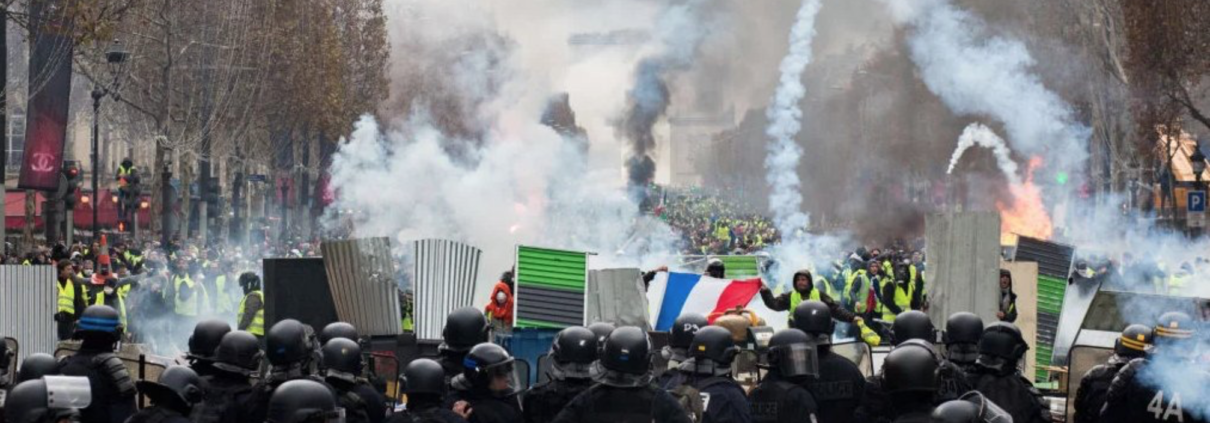
Those pushing for a Green New Deal here at home should be careful what they wish for – just look at what’s been happening in France. On November 17, 282,000 protesters showed up in high-visibility yellow vests in Paris to protest the government’s recent carbon tax, which has been followed by weeks of riots resulting in the most violent rally to hit Paris in decades. Here is what you need to know about the underlying global trend that this revolt against carbon taxation reveals:

  1. What Is Happening? French President Emmanuel Macron supports policies to reduce climate change, and despite France’s already relatively low-carbon economy, has proposed further lowering carbon emissions through a fuel tax, as well as other measures such as incentives for people to buy electric vehicles. Macron’s carbon tax would raise an estimated 8 billion euros annually but create an only “minuscule global benefit.” It would also raise the cost of living in an already struggling economy, the bulk of which would be bared by rural and working-class citizens who depend on cars to get to work. Over the past few weeks, the “Gilet Jaunes,” or yellow vests, have angrily protested against the carbon tax and Macron’s perceived disconnectedness from his working-class and rural constituents. More than 260 people have been wounded, at least three have died, and more than 400 were arrested after violence sparked, rocks were thrown, tear gas was used, and monuments were vandalized.
     
  2. How Has The Government Responded? Bold environmental policies were at the heart of Macron’s political agenda when he rose to power 18 months ago, yet the riots are the latest episode highlighting his government’s underachievement on this front. While he has shown “little willingness to compromise” in the face of the protests, Macron’s government this week announced that it has suspended the tax for six months to allow for public discussion. Prime Minister Edouard Philippe said anyone would have “to be deaf or blind” not to see or hear the anger that led to the protests that rattled the capital city, and that “No tax merits putting in danger the unity of a nation,” leaving it an open questions as to whether or not Macron’s climate policies will have any traction with the French public, especially because opponents of the tax do not want “a delay,” but rather “the cancellation of the planned tax increase” altogether.
     
  3. What Does This Mean For Climate Agendas Around The World? The events in France demonstrate the complications for policymakers proposing climate agendas that voters do not believe justify polices that would raise the cost of living and hurt the economy, a trend that has been seen globally. In Canada, Ontario is suing to block a federal carbon tax, and in Germany the government’s planned transition to renewable energy is facing political difficulties. In the U.S., voters in Washington state defeated a carbon tax on the ballot this year that would have started at $15 per ton of emissions and increase by $2 annually. Additionally, despite building support from the incoming Democratic majority in Congress for robust action on a Green New Deal, the lessons of France’s carbon tax revolution is that voters need to support such action – which remains to be seen domestically thus far.
     
  4. What Does This Mean For Future Carbon Pricing Efforts In The U.S.? Carbon pricing appears to have been gaining traction lately, most recently with a bipartisan group of lawmakers in the House of Representatives introducing the first carbon pricing legislation in a decade.  Yet, the Paris riots show that the cost of carbon pricing policies cannot be borne by the citizens least able to afford it. As organizations like the Climate Leadership Council have noted, the proceeds from such a carbon fee would need to be “returned to the American people” if the concept is going to gain popular support and keep the cost consumers pay for energy from skyrocketing. Others, such as the Alliance for Market Solutions, have argued that a price on carbon would need to be revenue-neutral and replace, not add to, existing regulations on pollution. Either way, both proposals work toward addressing the underlying inequities driving the unrest in France, but they face stiff resistance from environmentalists like those pushing for a Green New Deal.

While panic over climate change will continue to be a recurring trend, even though many of the most dire predictions have proved to be false, such alarmist predictions  – and the pushing of aggressive policies to prepare for those scenarios that allow the brunt of the costs to be borne by citizens least able to afford them – result in too high a cost. To make progress on addressing climate change concerns, policymakers would do well to always have the Paris riots on their minds.

News You Can Use

INVESTING IN VICE OR VIRTUE?

With the remarkable rise of environmental, social, and governance (ESG) factors in investing, you would be wrong to think that ESG couldn’t get much higher. In fact, the $8 billion socially responsible investment industry is having difficulty defining the burgeoning cannabis industry.

As it has grown, cannabis is causing investors to grapple with whether it is similar to “sin” stocks that they try to avoid – like alcohol and tobacco – or, whether its medicinal purposes mean that it is an ethical investment. Depending on their particular criteria, ESG-focused investors are determining what companies they can invest in, especially because the “opportunity for growth is just too strong” to ignore.

While ESG investors have laid out principles to position themselves as pure and socially-conscious, some of their actions are driven by what is currently on the political agenda they support. That was fine when “sin” industries were on the opposing side of that agenda but investing in cannabis poses a conflict they did not anticipate, a challenge companies trying to appease these investors have confronted all too often.

ROBOCOPPING ROBOCALLS

Next week, the Federal Communications Commission (FCC) will vote on a measure that is meant to combat mobile phone spam including robocalls and spam texts, and as with anything the regulator does these days, it’s controversial. The measure comes after a letter FCC Commissioner Ajit Pai sent to the CEOs of major U.S. mobile providers earlier this month urging them to take steps to create a system to authenticate calls and end nuisance calls.

Yet, in the wake of the hysteria surrounding the FCC’s repeal of net neutrality rules, Pai’s proposal to classify text messaging as an information service, rather than a telecommunications service, so that phone carriers can block spam texting, has raised concern from some consumer advocacy groups and at least one fellow commissioner, who fear the regulation could lead to censorship controlled by the providers. Regardless of the outcome of next week’s measure, the increasing public attention and criticism focused on curbing robocalls suggests that the public policy debate on this issue may become heated – and that heightened political and reputational risk is the new operating normal for the FCC.

PLAYING THE LONG GAME

Securities and Exchange Commission (SEC) member Robert Jackson Jr. threw a wrench into Silicon Valley’s plans last week when he criticized a proposal for a “Long-Term Stock Exchange” (LTSE). The LTSE, which is a planned new public market designed to foster long-term growth for startups by awarding shareholders additional voting powers the longer they hold stock, has won support from prominent techies including venture capitalist Marc Andreesen and LinkedIn cofounder Reid Hoffman, and the Trump Administration has also signaled interest in promoting such long-term investing.

According to Jackson, however, “Research has made clear that loyalty share structures often make it virtually impossible for investors to hold executives accountable.” Although opposition and wariness from institutional investors mean that the LTSE will not be approved at this time, the public conversation is indicative of a growing desire in the world of capital to move away from the breakneck, short-term incentives of most public markets and towards a culture of strategic, long-term investment.

FROM DESIGNER GENES TO DESIGNER BABIES?

The Director of the National Institutes of Health joined the rest of the scientific community last week in roundly condemning the work of a Chinese scientist who recently “created” the world’s first gene-edited babies. In a statement, the Director lambasted the experiment and other such “epic scientific misadventures.” The misadventure in question, though almost universally disavowed, may bear some positive fruit by hastening a long-overdue discussion in the scientific community: how can scholars or governments regulate science to enforce bioethical standards as technology develops?

Some scholars want a central body to review experiments for ethical concerns, while others are seeking clearer guidelines for gene editing in particular, although the most relevant factor in any ethical standard will always be the character of the government involved. While the United States may establish strict rules tied to funding mechanisms in its own jurisdiction, regimes like China’s will enforce or relax restrictions based on the long-term goals of their ruling elite, posing continued operational challenges for companies that operate globally.

Driving Into The Future

Driving Into the Future, No Bad Attitudes Allowed, and Cold as (Slurpee) Ice

Here’s What You Need To Know

This Thanksgiving will see the most Americans traveling since 2005, and of those, nearly 48.5 million Americans will be hitting the road in their vehicles to be with family and friends. With the recent advances in automobile technology, it’s not farfetched to envision many Americans unplugging their self-driving vehicles to set out on their holiday pilgrimage in just a few short years. These technologies raise a number of challenges as they come closer to reality, so here is what you need to know as the public policy discussions – perhaps around the Thanksgiving table – begin in earnest:

  1. Legacy Carmakers May Be The Disruptors After All: After all of the hype surrounding Tesla, as well as other companies bursting into the industry such as Waymo with its driverless car service, trends throughout the industry toward electric and self-driving vehicles suggest that it may in fact be legacy carmakers who lead the way into the future. Legacy carmakers have found themselves in “a far better disruptive position than the alleged disruptors,” largely due to their ability to fund their disruptive operations with their successful conventional businesses. This would explain the ambitious goals set by legacy automakers over the next few years, which may see Honda and General Motors offering a self-driving car, Volvo making every model in its fleet available as an electric-powered car starting in 2019, Fiat Chrysler introducing a diverse lineup of new electric vehicles over the next four years, and Volkswagen’s plan to sell 50 million electric cars, potentially in cooperation with Ford – as well as innovations from other companies. Whatever comes to pass, it is clear that the death of the industry is exaggerated, and that it will play a significant part in the transition to new technologies – along with the newer companies that have entered the industry.
  2. Policymakers Pushing EVs Should Push EV Infrastructure Instead: The biggest hurdle to the proliferation of electric vehicles may be more than just their current higher price, and is perhaps more benign than previously thought: a lack of charging infrastructure. According to Goldman Sachs, the world would need to spend $6 trillion on infrastructure such as charging stations and power networks for the full adoption of electric vehicles, which could require government subsidies and support to reduce transition costs. But, the private sector, in the form of utilities, could lead the way if regulators will let them. In certain states, officials are hesitant to let the utility industry build EV infrastructure that all electricity customers would pay for and few (for the time being) would use. Therefore, policy efforts to incentivize car buyers to choose electric vehicles at the state and federal levels may be better directed at influencing infrastructure policies that encourage the build-out of electric vehicle infrastructure, potentially led by utilities, and possibly as part of a post-election infrastructure compromise.
  3. More Safety Means Higher Insurance Costs: While technological advances make today’s vehicles safer and less expensive to own, that same technology has ironically resulted in increasing costs to insure these vehicles. This is because the evolution to more computerized vehicles means that chips, dents, and scratches may no longer be cosmetic damage, but can negatively impact fragile sensors. These technologies have doubled repair bills for minor collisions, which suggests coming disruption for the $247 billion premium auto insurance industry as repair costs increase and autonomous technology becomes more prevalent.
  4. Debates On The Moral And Ethical Dilemmas Of Autonomous Vehicles Are On The Horizon: As more autonomous vehicles take the road, uncomfortable moral and ethical questions will need to be answered. Local governments will likely be the first to grapple with the gradual and as-yet-unregulated integration of autonomous vehicles onto streets, but if human-driven vehicles are indeed “legislated off” the roads, there will likely need to be an engaged public policy discussion and framework that provides guidance for how the technology in future self-driving vehicles created by companies should prioritize lives in different scenarios where lives are at stake.

The recent advances in automobile technology have led to smarter, more efficient, and more comfortable vehicles at a more affordable price than ever before. This trend is likely to continue with even greater speed as electric and autonomous vehicles become more common, suggesting that related public policy issues (strategic minerals, anyone?) will be featured more prominently in the public policy debate going forward. From all of us here at Delve this holiday season: drive carefully!

News You Can Use

NO BAD ATTITUDES ALLOWED

Analysts at Delve know the importance of vetting, but artificial intelligence (AI) has taken vetting to an extreme new level. Companies have begun using new algorithms to go over potential future employees’ social media accounts, leaving no tweet or Facebook comment unread, and one such platform called Predictim even vets babysitters for parents by searching accounts for everything from criminal activity to “bad attitudes.”

Proponents believe uncovering objectionable social media activity will prevent damage to the company’s reputation or work environment, although critics warn that AI systems do not understand the context of tweets and comments, could make unfair judgments that may prevent a skilled candidate from getting a job, and can also be susceptible to bias. While vetting is an important part of the hiring process, the drawbacks of relying fully on machines to evaluate job candidates demonstrates the importance and value of human analysis.

WHAT’S YOUR NUMBER?

The secret world of customer service is becoming not so secret anymore, thanks to The Wall Street Journal recently bringing to light how some companies have been judging us as customers. Companies ranging from retail to airlines to cars are increasingly using a customer service rating system known as customer lifetime value, or CLV, to inform their business decisions. A customer’s score is based off of traits such as age, marital status, zip code, the number of items they return and customer service calls they make, and even the likelihood of them bad-mouthing a company.

These scores are not typically made available to customers, who are often unaware that they exist, yet such scores can determine the prices they pay, the products and ads they see, and the perks and customer service levels they receive. As more companies adopt CLV scores and customers become more aware of their existence, policymakers may begin investigating companies on this matter and explore implementing guidelines for regulating how such scores are calculated and used in the future, lest such a system lead to discrimination (or claims of discrimination) against certain customers.

WHEN UNIONS ARE ANTI-UNION

Unions frequently attack CEOs for not sharing their wealth with employees, but ironically, it appears that the leaders of these unions are not sharing their own wealth. The Office and Professional Employees International Union, which represents the office workers of the AFL-CIO and the SEIU, recently criticized the two leaders of these unions, Richard Trumka and Mary Kay Henry, respectively for “richsplaining.”

The AFL-CIO and SEIU are reportedly attempting to force contracts on workers that will freeze pay, reduce sick leave, and weaken senior protections. This criticism exposes the unions’ vulnerability on the same issues they criticize other companies and executives for, and the hypocrisy damages the unions’ credibility in the public arena in a way that can impact their ability to achieve their objectives in the future.

COLD AS (SLURPEE) ICE

Just as Motel 6 settled its lawsuit over its too-cozy relationship with Immigration and Customs Enforcement (ICE), a new company is facing a similar public affairs challenge related to the agency: 7-Eleven. After a number of ICE raids at 7-Eleven stores demanding paperwork and information from franchisees about their current and former employees’ legal status, some franchise owners are suspicious that the 7-Eleven corporate office is playing a role in which stores are raided, largely because those raided are owned by franchisees who have challenged the company on everything from inventory requirements, profit-sharing, and even the way Red Bull cans are displayed.

The company has been known to use questionable tactics in the past against franchisees including surveillance vans and hidden cameras to build termination cases against them, and this “weaponization” of ICE would be a new, aggressive step. While it remains to be seen how this all plays out, we can speculate that there will be political and reputational damage for the company as it gets tied to a politically-sensitive agency, and as its internal disagreements spill out into the public arena.

The Shutdown Windfall, Fact Advocacy, and How Not To Win Friends and Influence People

Here’s What You Need To Know

The midterm elections have come and gone, leaving a brand-new Congress in their wake. January will see Democrats, fueled by a passionate core of liberals, take control of the House of Representatives, while Republicans expand their Senate majority. If the past two years seemed rigidly partisan, the next two will likely be a cacophony of ideological bickering – with many expecting an elevated threat of a government shutdown. However, for companies and cause organizations that could easily find themselves and their public policy agendas caught in the middle, what is most important may be what comes after a shutdown.

Whether you are preparing for gridlock or compromise, Delve CEO Jeff Berkowitz and The Signal Group Executive Vice President Noe Garcia recently penned an analysis of what to expect from the return of divided government in America:

  • The Last Two Divided Governments Resulted In Shutdown Showdowns. In 1994, a class of high-octane Republican partisans took over Congress in response to the first two years of the Clinton Administration. The results were several well-publicized battles within the divided government that led to two government shutdowns. In 2013, government was divided between a Democratic White House and Senate and a Republican House of Representatives only three years removed from a wave midterm election, resulting in a noisy spat between the parties that led to another government shutdown.
  • But What’s More Important Is What Happened After The Shutdowns. In both examples above, the periods following the shutdowns were surprisingly productive in terms of policymaking and major legislative accomplishments that made it to the president’s desk to be signed into law. Following shutdowns during the Clinton Administration, a coalition of lawmakers managed to pass an impressive slate of policy achievements that included Welfare Reform, the Health Insurance Portability and Accountability Act (HIPAA), and even a gun ban for domestic violence offenders. During the Obama Administration, following the 2013 shutdown, bipartisan pragmatists later advanced VA reform, a farm bill, and loan support for Ukraine.
  • Why Is Post-Shutdown Policymaking Effective? Despite all of the polarization that leads to intransigence and shutdown, real policymaking is still possible. Extreme partisans tend to stick to their ends of the political spectrum and message on issues important to the base. To them, the debate is an end unto itself; they will not be driving the agenda that gets signed into law. Other lawmakers move quietly to find compromise, negotiate, and advance legislation in a politically complex Congress. The negotiating table does not disappear in such a political landscape, but there are fewer seats; strong partisans are not likely to be in the room and decisions are made by those committed to getting bills signed into law.
  • What Are Likely Areas For Compromise In The 116th Congress? The path to legislative effectiveness in the 116th Congress may be hard to see, especially if partisan divisions produce something as dramatic as a government shutdown. But opportunities for compromise do exist: an infrastructure package, regulation of Big Tech, USMCA, drug price reform, even a healthcare stabilization compromise could be on the table. What will notably be absent are items on the agenda that Democrats used for their successful campaign effort, and which will provide opportunities for both sides of the political spectrum to message towards their base in advance of the 2020 election, such as student loan debt, climate change, and immigration.

Every election brings new opportunities as the political deck is reshuffled and new hands are dealt. An ineffective federal government would be the obvious conclusion to draw from the apparent return of partisan gridlock, but history tells us otherwise. Hyper-polarization may be the norm for the 116th Congress, but compromise is inevitable, and legislation will be passed. If you can recognize the openings in this dynamic new landscape, you can advance your organization’s goals while the competition stagnates.

News You Can Use

FACT ADVOCACY

What started as monthly gatherings to drink beer and “nerd out” over transportation policy, the advocacy group TransitMatters is now reshaping Boston’s public transportation system. Founders Marc Ebuña and Ari Ofsevit are redefining citizen engagement by using research insights to promote improvements to the city’s transit system.

For example, in finding inefficiencies, bottlenecks, and glitches, TransitMatters saved the Massachusetts Bay Transportation Authority $500,000 by proposing changes to its existing service system. At the same time, the group has enhanced economic productivity by demonstrating the need and benefit of overnight and early morning bus services, which were launched through outreach to local government and transit officials supported by data that helped them make their case.

Whether in the business, political, policy, or advocacy space, TransitMatters’ success highlights the importance of leveraging facts when it comes to achieving public policy objectives.

THE NEXT GREAT CRYPTO DEBATE

Just as the world received some positive climate news, Bitcoin was called out for being the “nail in the coffin” of climate change, as even it cannot escape the critical eye of environmentalists. Cryptocurrencies such as bitcoin require far more electricity per-dollar than it takes to mine real metals such as gold or silver, due to the enormous amounts of energy needed to compute the complicated blockchain transactions underpinning these cryptocurrencies.

A recent report calculated that Bitcoin creates 69 million tons of carbon dioxide, the same amount as Austria, which has a population of 9 million people. Even though the IT sector is actively working to reduce its footprint, environmentalists are worried that if Bitcoin continues its rapid growth, it could cause dangerous levels of warming – suggesting that a coming fight between environmentalists and cryptocurrency proponents may be the next great crypto debate in the public arena.

NOT PLASTIC NOR PAPER

Well, that didn’t take long. Now that the plastic war has taken over, a new war is waging against paper. Used to be thought of as the more environmentally-friendly option compared to plastic and Styrofoam cups, environmentalists are now working to ban paper coffee cups. The cups are under attack for being bound by plastic linings that need to be separated before recycling, ending with many of them in the trash even when put in recycling containers.

What used to be the more sustainable option is now evil, not to mention more expensive – which will likely be passed onto consumers in the form of a price increase. The escalation against paper cups proves that being more sustainable is no longer sustainable enough, something that companies and cause organizations should be thinking through before negotiating or making concessions to activist groups driving certain political agendas.

HOW NOT TO WIN FRIENDS AND INFLUENCE PEOPLE

Snapchat’s PR firm recently made a lot more work for itself, as it created some bad PR for the company it now must overcome. The firm, PR Consulting, is suing actor Luke Sabbat for not fulfilling his influencer marketing contract to promote Snapchat’s Spectacles camera sunglasses. Influencer marketing should ideally feel “subtle and natural,” but this lawsuit brings unwanted attention to the behind-the-scenes contracts and planning of it all.

It not only creates reputational damage for Snapchat, but other brands that rely on influencers to sell their products. Moving forward, influencer marketing contracts will likely become stricter to prevent setting off future public affairs and reputational challenges, and influencers will need to prove they are accountable (and can actually influence) if they want to keep getting paid to post.

Ten BILLION Dollars

The Midterms and Your Organization’s Risk, Tipping the Balance, and PolitiFarce

Here’s What You Need To Know

As election day approaches, the question remains if the country will be overtaken by the blue wave or if the red wall will be big enough to stop it. Regardless of the outcome, however, companies and organizations will need to navigate and influence the post-election environment to their advantage. Here is what you need to know to be prepared to overcome the challenges and make the most of the opportunities after November 6th:

  • Will The Red Wall Be Enough To Hold Off The Blue Wave? The Republican National Committee has raised over $270 million for the 2018 cycle, which has been invested in data and turnout infrastructure over the past two years, building on the success of its 2016 operation that helped deliver a surprise victory for Donald Trump. As much as people say this election will be a referendum on the president, Trump has had almost straight-line approval and disapproval since he has entered office, suggesting there is little buyer’s remorse that Democrats can leverage into new votes. Further, the Kavanaugh confirmation galvanized Republican voters and erased any enthusiasm gap once enjoyed by the Democrats. When it comes to the Blue Wave, Democrats have raised a lot of money recently, but it is not being spent in the right places (Texas, anyone?) and may be too late to be effective. That said, Democrats only need 23 seats to gain a majority, and the historical average midterm loss for the president’s party is 25. That loss increases to 37 for presidents whose approval rating is under 50% in the lead up to the midterm election. Given this historical trend, Democrats do not need a wave to win back the House.
  • What Should Businesses Expect If Democrats Do Take The House? If Democrats take control, regardless of what they are saying legislative and policy wise, what will overwhelm the leadership’s agenda will be anti-Trump fervor, demanding investigations and impeachment, but the focus and implications of those investigations would reach far beyond the Administration. On a number of key policy issues, companies in industries like energy, pharmaceuticals, financial services, and beyond are at risk of becoming proxies for Trump and his policies. Combine this fervor with the multiple Democratic 2020 presidential contenders in Congress competing for attention and appreciation from their party’s liberal base, and the potential policy and reputational harms for companies and industries multiply significantly. Companies can also expect a Democratic majority to build on the momentum of efforts to coordinate with government officials at the state level.
  • Risks From A Blue Wave Extend Well Beyond The Beltway. There are two offices at the state level that the private sector should be watching closely: gubernatorial races with candidates that could be jockeying for the 2020 Democratic nomination, and state attorneys general races with candidates who will likely target corporate interests to elevate their political profiles. While a slew of senators in D.C. are already angling for the nomination and using policy proposals targeting companies, Wall Street, the fossil fuel industry, and others to build support from their base, several gubernatorial candidates could take that approach from their statehouses if they think: “Why not me?” This includes Andrew Cuomo (NY), Gavin Newsom (CA), and Richard Cordray (OH). For attorney general, Keith Ellison in Minnesota and Letitia “Tish” James in New York could build national profiles by suing companies on issues that translate to public support, whether lowering the price of insulin, Wall Street divestment, or New York State’s lawsuit against Exxon Mobil alleging the company deceived shareholders on climate change, which could expand to ensnare other firms and even investor-owned utilities.
  • It Is Not Just Who Is On The Ballot, But Also What Is On The Ballot. On November 6th, voters will decide on 157 ballot measures in 37 states across the country, and succeed or fail, these measures provide a predictive model for forthcoming policy battles. The volume of measures is not particularly noteworthy, but what is new and different is what is driving these initiatives: professionalized activists funded by national interest groups or high net-worth individuals, as opposed to local interests that can be held accountable for the consequences of their proposals. With Congress and Trump not enacting the policies national interest groups seek at the federal level, they are working in the states to build momentum and enact policy changes. What should raise companies’ and industries’ interest in these ballot initiatives is that strategies and playbooks in one state will be replicated elsewhere, and those that are successful will be replicated across the country with greater speed.

This highly-politicized environment is the new normal, and organizations and companies should be armed with the information and facts of policy and regulatory issues impacting them to protect their reputations. The more you can influence and shape events in the policy and regulatory landscape to your advantage, the better the chance that you can achieve your organization’s objectives – whatever the outcome of this year’s midterms.

News You Can Use

TIPPING THE BALANCE

Amazon has become the latest company to go to a $15 minimum wage, but at the same time workers in D.C. are pushing back. On October 16, the D.C. city council repealed Initiative 77, a measure passed by voters in June that would have raised the minimum wage for all tipped workers by 2026. The initiative, meant to provide financial stability and protections against sexual harassment, was fought by the tipped workers themselves, who argued it would destroy restaurants’ thin profit margins and cut jobs from their support staffs while potentially lowering tipped workers’ take-home pay.

Estimations concluded that Initiative 77 would cost the D.C. restaurant industry $600 million, surge food prices, force restaurants to buy from big box suppliers instead of local farms, and reduce the incentive to leave high tips. An increased minimum wage appears to be a favorable political stance for liberals to take, but when the workers who should be benefitting are fighting back, politicians may want to rethink their positions.

OVERSTEPPING AND OVEREXPOSED

Just as we predicted, receiving investment from sovereign funds of overseas countries brings a myriad of political and reputational risks for companies. This lesson was prominently on display in the scandal surrounding the death of Saudi dissident and journalist Jamal Khashoggi. After repeated denial, the Saudi government admitted that Khashoggi was murdered in its consulate right before Saudi Arabia’s Future Investment Initiative Conference, also known as “Davos in the Desert.”

American businesses, media outlets, and U.S. Treasury Secretary Steven Mnuchin pulled out of the conference in response, although the political and reputational risk has already impacted their future exposure to the Kingdom. Going forward, executives need to accept their roles as “de facto diplomats ” in today’s era of elevated risk, and evaluate their organization’s business decisions through this lens in order to avoid negative implications that may stem from it.

CLIMATE COVER THANKS TO TREES?

The UN’s Intergovernmental Panel on Climate Change recently put out a report on climate change, and panic ensued given its bleak predictions. Abigail Swann, a professor at the University of Washington, however published research that could change the way scientists view climate change. While most research on climate models focuses on wind, rain, and other physical occurrences, Swann believes researchers have ignored vegetation and how plants influence rainfall, a role that “blows the ecology community’s mind.” Forests provide carbon storage, water filtration, and wildlife habitat, and the total effect it can have on the ecosystem is largely ignored in gloom and doom studies.

Ironically, Swann’s research also finds that forest die-offs can be beneficial to the climate in certain areas, suggesting that environmentalist efforts to plant trees may do more harm than good to the climate in some cases. While there is uncertainty in how these findings can be implemented, it serves as a reminder that the earth remains incomprehensible to experts and predictions are futile, meaning balanced, responsible solutions are always a better approach than panic.

POLITIFARCE?

For the second time in a week, PolitiFact, a media fact-checker, has been caught not checking its own facts. The site originally ruled that a claim that Sen. Claire McCaskill (D-MO) said “normal people” can afford private planes was “false,” even though a video of McCaskill saying exactly that in a town hall is readily available on the Internet. PolitiFact only changed its ruling after receiving backlash for its favoritism.

Whether it was bias or sloppiness or both, these latest incidents make it more difficult for fact checkers to be seen as impartial referees instead of engaged combatants in the political clashes of our era.

NAFTA Flag

Making Sense of USMCA, Boardroom Shakeup, and Better Late Than Never

Here’s What You Need To Know

Last week, the U.S., Canada, and Mexico announced an agreement on NAFTA 2.0, which will be known as the United States-Mexico-Canada Agreement, or USMCA. Even though the announcement of this agreement has been overshadowed by other machinations in Washington, this new trade agreement and its details will have a long-term impact on a range of economic activity across North America and the world. To help you understand whether USMCA is a great victory or a return to protectionism, here is what we know about it thus far:

  • So, What Exactly Does The Agreement Substantially Change? We all know Trump loves to put on a show, and with a huge focus on the name change, many have been left wondering if the re-naming is just that or if there is substantive change in the deal. One area of substantive change is in the auto industry. USMCA increases the percentage of North American-made auto parts required to qualify for zero tariffs, mandates a $16 minimum wage for factory workers (tripling the average wage in Mexico), and exempts Canada and Mexico from future American auto tariffs. Another key area of substantive change is that the agreement reduces Canada’s protection of its dairy market, opening the market to more American dairy imports and reducing restrictions on American producers marketing cheese and wine in Canada. Other changes include a push to expand labor unions in Mexico, as well as improved intellectual property protections for American pharmaceutical companies. If ratified, the agreement has a 16-year “sunset” clause, is subject to review every six years, and most of the provisions would go into effect in 2020.
  • What Is The Good, The Bad, And The Ugly? The good is that USMCA seems to have America winning in the auto, dairy, and wine industries, in addition to its wins in copyright protection. The bad is that those new car provisions might increase the eventual cost of cars for consumers, and despite having gained added trademark and patent provisions, big business – not just U.S. automakers – will likely have an increased cost of complying with the new agreement and will have lost the Chapter 11 investor dispute settlement mechanism that companies have used to sue the Canadian government in the past. Perhaps the most ugly part of the agreement is that it does not eliminate possible retaliation for Trump’s steel and agricultural tariffs, which have negatively impacted American jobs and economic growth. All in all, many are saying USCMA is not “a wonderful new trade deal” as Trump would have us believe, but rather a fine deal that will have no measurable effect on economic, wage, or job growth.
  • What Do We Not Yet Know? Trump may have started his victory lap a little too soon. While the three countries have come to an agreement, USMCA must get Congressional approval before it can take effect, as well as approval from national legislatures in both Canada and Mexico. The deal will likely not be voted on in the U.S. until 2019, and with midterms coming up, Trump may no longer have the support to pass the deal. If it does pass, only time will tell if it addresses some of the criticisms of NAFTA and spurs new economic growth, or if it trends to a continuation of the current regulatory framework.

Regardless of its future, Trump can now tout a win going into midterms, and his outgoing Mexican counterpart can point to a legacy achievement while his Canadian counterpart can show his constituency just how hard his negotiators fought for Canadian interests. For corporate interests, the announcement of USMCA removes some of the uncertainty hanging over trade policy since the Administration came into office, yet the disruption in politics that has now come to trade policy seems as though it will remain for the foreseeable future, which will pose new political risks for American companies operating globally.

News You Can Use

SHAKEUP IN THE BOARDROOM

A shakeup is happening in California boardrooms. SB 826 was signed into law and is the first state-mandated gender quota for corporate boards, requiring one female on a company’s board of directors by the end of 2019, two women on a five-member board by 2021, and at least three women on a board of six or more. Equal opportunity for all is an admirable goal, but like most overregulation, the law brings complications of its own, including questions as to whether it will actually do more harm than good.

The most robust research on the impact of such quotas is from Norway, which has required 40 percent of board seats to be female since 2008, and led to “younger and less experienced boards” and a “deterioration in operating performance.” Regardless of this data and the adverse effects that may stem from this quota, companies can expect that pressure for similar laws will follow California’s lead and be propagated in other states, and that the discussions in the public arena surrounding such laws will contribute to heightened political and reputational risks for corporate interests that could face backlash if perceived as not supportive of the regulations.

BETTER LATE THAN NEVER

The Senate is finally entering the 21st century in at least one way. Tucked into last month’s government spending bill was a provision requiring Senate candidates to file their campaign financial reports electronically, which House of Representatives and Presidential campaigns have been required to do since 2001.

Supporters are calling this a win for transparency, making political money disclosures more accurate and easier to access. E-filing will also reportedly save taxpayers $1 million every year. It will now be easier than ever for voters, reporters, and opponents to investigate a candidate’s campaign financials and “follow the money,” gaining insights into who funders are and what that may mean for policymaking should the candidate win.

GONE WITH THE WIND?

Achieving policy and business objectives in the public arena doesn’t simply happen by chance. Instead, it takes a broad, concerted effort, as well as a deep understanding of the oppositional forces you’re up against.

Recently in Texas, one energy company found this truth out the hard way when it had to stop plans to build two large wind farms on the Texas-Oklahoma state line. The company’s plans were criticized by anti-wind farm activists, politicians, fighter pilots from nearby Sheppard Air Force base, and researchers from a local university. If the company had done the right research early in its process, it could have looked into the common threads tying these stakeholders together: a local landowner and oil investor, who likely coordinated the network of opposition, and who the company could have engaged early in an attempt to address any legitimate concerns he may have had before enabling a broad public affairs effort against it.

In any endeavor, it is critical to be deeply informed on the landscape of interests and stakeholders that could potentially engage on a given issue. When you proactively do so, you understand what you are up against, the concerns and issues motivating the opposition, and what may be done to gain the social permission needed to achieve your objectives.

FAKE ADS IN THE HOMESTRETCH

There are 24 days until election day 2018, and now is a good time to remind our readers that things are not always as they seem, especially when it comes to political ads on social media. A good example of this is a series of political ads attacking Republicans, which have been traced to Tierney Lawrence, a Democratic law firm in Colorado. Under the guise of four newly incorporated limited liability companies, with names such as “Right Call Media LLC” and “Smashbutton Media LLC,” the law firm is running crude ads attacking Republican Party policies, donors, and candidates, as well as other crude ads – one of which hails the physical appearance of a Democratic lawmaker.

The firm’s four companies have purchased more than 2,000 ads, used various Facebook pages, and have gone to extraordinary lengths to conceal identities and motives. As we enter the homestretch before midterms, it is more important than ever to dig a little deeper to obtain an information advantage that will help you discern the true nature of what you see online.

Pin It on Pinterest